
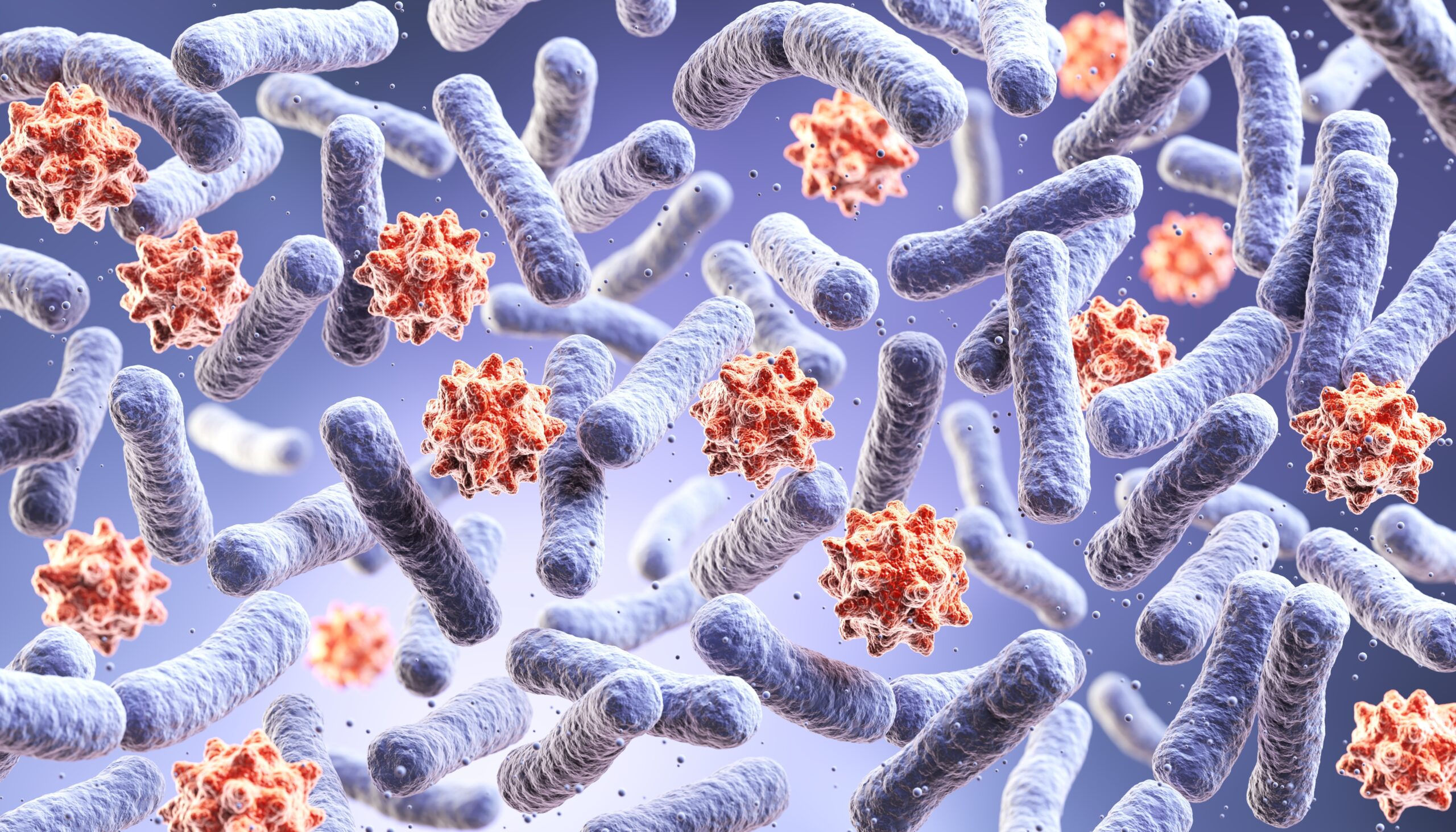
The human gut is home to a complex and dynamic microbial ecosystem that plays a fundamental role in digestion, immune function, and overall health. Beyond these functions, the gut microbiome also acts as a critical line of defence against the colonisation of potentially harmful microorganisms.
When this balance is disrupted, the gastrointestinal environment can become more susceptible to infection. Gut pathogens may then establish and proliferate, leading to a range of outcomes from short-term illness to more persistent disturbances in gut function. In certain contexts, particularly following microbiome disruption, these effects can be more pronounced and longer-lasting.
Understanding how gut pathogens interact with the microbiome is therefore increasingly important. Rather than viewing infection in isolation, there is growing recognition of the role that microbial balance plays in both susceptibility to pathogens and recovery from infection.
Common Types of Gut Pathogens
Gut pathogens can be broadly grouped into bacterial, viral, and parasitic organisms. Each group differs in transmission, impact, and management.
- Bacterial pathogens are among the most common causes of gastrointestinal infection. Examples include Escherichia coli, Clostridioides difficile, Salmonella, and Campylobacter. These organisms may lead to diarrhoeal illness, inflammation, or more severe complications depending on the host and context.
- Viral pathogens, such as norovirus and rotavirus, are highly transmissible and often associated with outbreaks. In most cases, symptoms are self-limiting, although severity may vary across populations.
- Parasitic infections, including Giardia lamblia and Cryptosporidium species, are commonly linked to contaminated water or travel exposure. Clinical presentation varies depending on the organism and host factors
How Gut Pathogens Are Acquired
Gut pathogens are typically introduced into the gastrointestinal tract through:
• contaminated food and water
• person-to-person transmission
• travel-related exposure
• contact with animals
Antibiotic use is also an important factor. While essential in treating bacterial infections, antibiotics can alter the gut microbiome, reducing microbial diversity and allowing certain organisms, such as Clostridioides difficile, to proliferate.
A balanced gut microbiome plays an important role in limiting pathogen colonisation. When this balance is disrupted, the risk of infection may increase. In Clostridioides difficile infection, antibiotics can disrupt the microbiome and allow the organism to become dominant.
Managing and Preventing Gut Infections
Addressing gut pathogens involves a combination of natural defence mechanisms, appropriate clinical management, and preventative strategies.
Natural Defence Mechanisms
The gastrointestinal tract has several systems that help limit pathogen colonisation, including:
• gastric acid, which neutralises ingested microorganisms
• a balanced gut microbiome that supports microbial stability
• local immune responses, including immunoglobulin A
Medical Management
Treatment depends on the organism and clinical context, and may include:
• targeted antibiotic therapy for bacterial infections
• supportive care for viral infections, including hydration
• organism-specific treatment for parasitic infection
• antifungal therapy where appropriate
• FMT within defined clinical frameworks for recurrent Clostridioides difficile infection Natural Defence Mechanisms
FMT and Microbiome Balance
Faecal Microbiota Transplantation (FMT) is used within defined clinical settings, most notably in recurrent Clostridioides difficile infection, where disruption of the gut microbiome plays a central role. Rather than targeting individual pathogens directly, FMT involves the transfer of a complex, diverse microbial community. The aim is to support restoration of microbiome balance and re-establish colonisation resistance against pathogenic organisms.
Supportive Measures
Supportive care remains an important part of recovery, including:
• oral rehydration to maintain fluid balance
• nutritional support to aid recovery and restore energy levels
• dietary approaches that help support microbial diversity and gut function
• probiotic use where clinically appropriate
Prevention
Preventative strategies are key to reducing infection risk, including:
• hand hygiene to limit transmission of pathogens
• safe food preparation to reduce exposure to harmful microorganisms
• access to clean water to prevent waterborne infections
• appropriate antibiotic use to minimise unnecessary disruption to the gut microbiome
• vaccination programmes in relevant settings
Conclusion
The relationship between gut pathogens and the microbiome reflects a broader shift in how gastrointestinal health is understood. The gut is increasingly understood as an interconnected ecosystem, where microbial balance influences both infection risk and recovery.
In this context, maintaining and restoring microbiome stability becomes a central consideration. Approaches that support this, from preventative strategies and responsible antibiotic use to microbiome-based interventions such as Faecal Microbiota Transplantation (FMT), are gaining increasing relevance within both research and clinical settings.
